
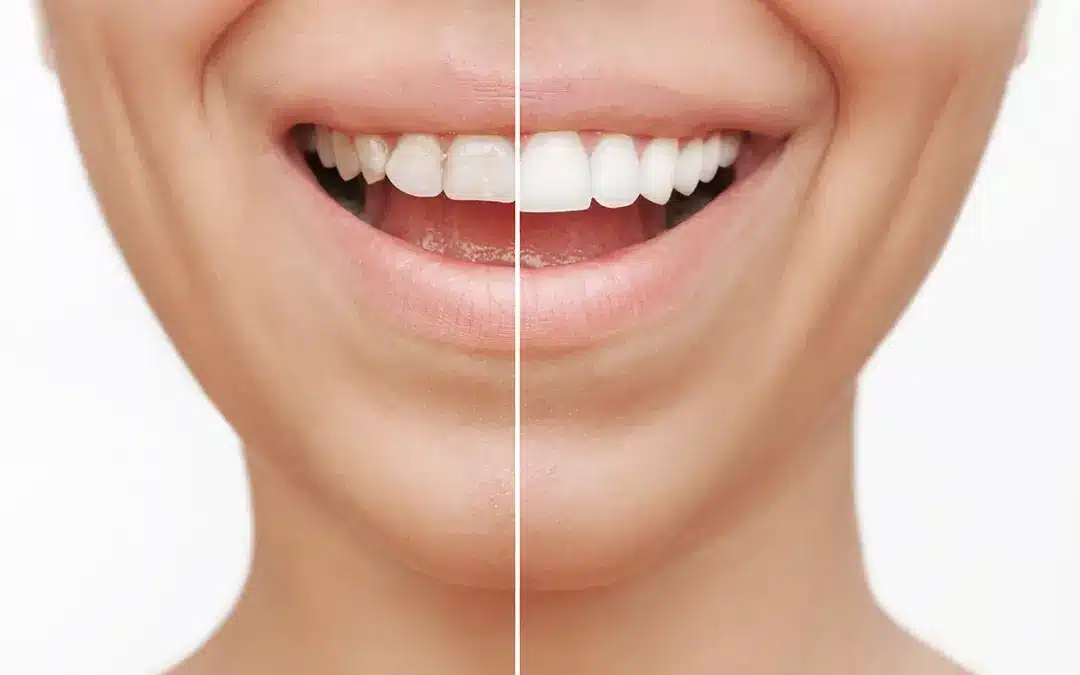
If you’ve ever looked in the mirror and wished your smile looked a little more even, a little brighter, or just a little more you, you’re not alone. Dental veneers are one of the most popular cosmetic dentistry solutions available today — and for good reason. They can address a wide range of aesthetic concerns in a relatively straightforward process, giving patients a smile they feel genuinely confident about.
But what exactly are dental veneers, and how do they work? If you’re exploring your options here in Olathe, KS, this guide will walk you through everything you need to know before taking the next step.
What Are Dental Veneers?
Dental veneers are thin, custom-crafted shells designed to cover the front surface of your teeth. Think of them as a tailored cover that bonds directly to your existing tooth, instantly transforming its color, shape, size, or overall appearance. They’re typically made from porcelain or composite resin, each with its own set of advantages — a topic covered in depth in the sibling post Porcelain Veneers vs Composite Veneers: Which Is Better?
Veneers are a popular choice among patients who want to correct:
- Discoloration that doesn’t respond well to professional teeth whitening
- Chipped or cracked teeth
- Teeth that appear too small, too short, or unevenly shaped
- Minor gaps or spacing irregularities between teeth
- Teeth that look worn down over time
Because veneers are custom-made to match your natural tooth color and shape, the results look remarkably natural. Most people won’t be able to tell the difference — they’ll just notice that your smile looks great.
How Do Dental Veneers Work?
The veneer process typically unfolds over two to three appointments. Here’s a general overview of what that journey looks like:
1. Consultation and Treatment Planning
Your first appointment is all about conversation. Your dentist will examine your teeth, discuss your smile goals, and determine whether veneers are the right fit for your situation. This is also a great time to ask questions and review before-and-after examples. If you’re curious about whether you’re a good candidate, the upcoming post 5 Signs You Are a Good Candidate for Veneers goes into much more detail on this topic.
2. Tooth Preparation
To ensure the veneer fits seamlessly and doesn’t look bulky, a small, thin layer of enamel is gently removed from the front of the tooth. This step is minimal but permanent, which is why veneers are considered an irreversible treatment. Impressions or digital scans of your teeth are then taken and sent to a dental lab where your custom veneers are crafted.
3. Bonding the Veneers
Once your veneers are ready, your dentist will carefully bond each one to the corresponding tooth using a strong dental adhesive. The fit, color, and bite are all checked and adjusted before the veneer is permanently set. The result is a smooth, natural-looking surface that functions just like your regular tooth.
If you’d like a more detailed, step-by-step breakdown of what to expect at each visit, the post What to Expect During the Veneer Process in Olathe is a great resource to bookmark.
Veneers vs. Other Cosmetic Options
Veneers sit in a unique space in cosmetic dentistry. They offer more dramatic, lasting results than whitening treatments alone, but they’re less invasive than dental crowns, which cover the entire tooth. If your teeth are structurally sound but cosmetically imperfect, veneers are often the ideal middle ground.
For patients interested in exploring the full range of smile-enhancing options available, our cosmetic dentistry services at Serenity Dental cover everything from veneers and whitening to other aesthetic treatments tailored to your unique smile.
How Long Do Veneers Last?
With proper care, porcelain veneers can last well over a decade — sometimes significantly longer. Composite veneers tend to have a shorter lifespan but can often be repaired more easily if chipped or worn. Regardless of material, caring for your veneers is straightforward: brush and floss as you normally would, avoid biting into very hard objects, and keep up with your regular professional dental cleanings. Routine exams also allow your dentist to monitor the condition of your veneers over time.
Are Veneers Right for You?
Veneers work best for patients who have healthy teeth and gums and are looking to address cosmetic concerns rather than structural or restorative ones. If underlying issues like decay or gum disease are present, those would need to be treated first. A thorough evaluation at Serenity Dental will help determine whether veneers — or another treatment — is the best path forward for your smile goals. You can also explore which cosmetic dentistry treatment is right for you to get a broader sense of your options before your visit.
Frequently Asked Questions
Do dental veneers hurt?
Most patients experience little to no discomfort during the veneer process. The tooth preparation step may cause some mild sensitivity, but your dentist will keep you comfortable throughout. Any sensitivity after bonding typically fades within a few days.
Can veneers be whitened if they stain?
Porcelain veneers are highly stain-resistant, but they cannot be whitened with traditional bleaching treatments the way natural teeth can. If you’re considering whitening, it’s best to do so before getting veneers so your new shells can be color-matched to your desired shade.
Will veneers look natural?
Yes — when crafted and placed by an experienced dentist, veneers are designed to closely mimic the translucency and texture of natural tooth enamel. The goal is always a result that looks like a better version of your natural smile, not an artificial one.
How many teeth can be treated with veneers?
That depends entirely on your goals and the current state of your smile. Some patients choose just one or two veneers to correct a specific concern, while others opt for a full set covering all the teeth visible when they smile. Your dentist will help you decide what makes the most sense for your situation.
Is the veneer process reversible?
Because a small amount of enamel is removed during preparation, traditional veneers are considered a permanent commitment. It’s important to have a thorough conversation with your dentist before moving forward so you feel fully informed and confident in your decision.
Ready to find out if veneers could give you the smile you’ve been imagining? The team at Serenity Dental in Olathe, KS would love to help you explore your options. Contact us today to schedule a consultation — we’re here to answer your questions and help you take the next step with confidence.